



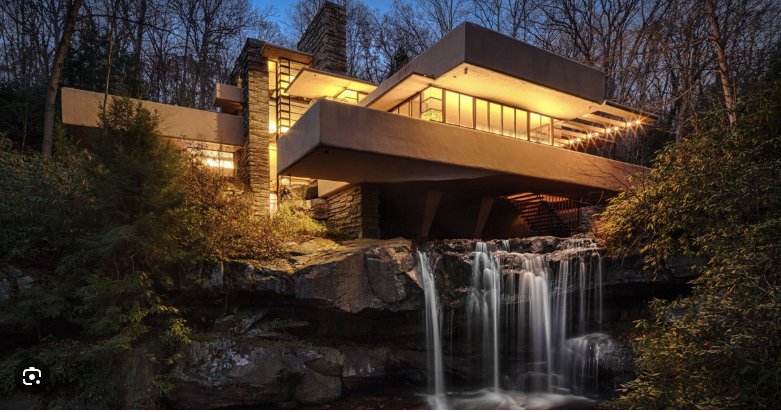
Frank Lloyd Wright designed only 1,114 structures during his 70-year career, making each surviving home a rare piece of American architectural history. Hidden away in Jackson, Mississippi's quiet Fondren neighborhood sits one such treasure — the Fountainhead house — a residence that carries the master architect's unmistakable fingerprints yet remains largely unknown to the public. Unlike Wright's famous Fallingwater or Guggenheim Museum, this particular home has deliberately stayed out of the spotlight, creating an air of mystery that only adds to its appeal. The property passed from the original Hughes family to current owners Robert and Sherri Adams, who have maintained its integrity while keeping its story close to their hearts. For luxury buyers who understand that true value often lies in what others haven't discovered yet, this Jackson residence represents something increasingly rare in our connected world — a genuine architectural gem that hasn't been photographed, catalogued, or commodified online. You'll learn about Wright's specific design choices for this Mississippi home, understand why the Adams family chose to keep their treasure private, and discover what makes owning a Wright-designed property different from any other luxury real estate investment. The story reveals how architectural significance transcends location and market trends, offering insights that could reshape how you think about your next property acquisition. What makes a home worth preserving in silence when the world demands constant exposure?
A Rare Architectural Treasure
Among Wright's most exclusive residential creations stands the Fountainhead house, representing just one of sixty Usonian homes the master architect ever brought to life. This particular dwelling emerged from Wright's drawing board when he was 81 years old, embodying the refined wisdom of his later career and showcasing the mature evolution of his organic architecture philosophy. The scarcity of these Usonian residences makes each surviving example a coveted piece of American architectural heritage, with Fountainhead holding special distinction within this elite group. Wright conceived these homes as affordable, beautiful residences for middle-class families, though their rarity today has transformed them into some of the most sought-after properties in the luxury market.
Mississippi's Architectural Gem
Standing as "one of only two extant Frank Lloyd Wright works in Mississippi," Fountainhead occupies an extraordinary position in the architectural landscape of the Deep South. The residence shares this exclusive Mississippi distinction with Wright's work in Ocean Springs, making the Jackson property particularly significant for collectors and enthusiasts who understand the geographic rarity of Wright's southern commissions. This isolation from Wright's more concentrated work in the Midwest and Northeast adds layers of intrigue and value that discerning buyers recognize. The house's presence in Mississippi represents Wright's willingness to adapt his prairie-inspired vision to different regional contexts, demonstrating his architectural versatility beyond his famous Chicago and Wisconsin projects.
Securing its place in American architectural history, Fountainhead earned recognition through its listing on the National Register of Historic Places since 1980. This federal designation acknowledges not only the building's architectural merit but also its cultural significance as a representative example of Wright's Usonian ideals. The National Register status provides both prestige and protection, ensuring that future modifications must respect the original design integrity while maintaining the property's historical authenticity. Properties with this level of federal recognition often appreciate differently than typical luxury real estate, as their historical importance creates a market dynamic that transcends local real estate trends and connects to broader cultural and architectural appreciation.
From Private Residence to Public Icon
The Hughes family commissioned Wright to design their dream home in 1948, watching as the architect's vision materialized into a single-story structure that would become their cherished sanctuary for decades. When the original owners eventually decided to part with their beloved dwelling, Robert and Sherri Adams recognized the irreplaceable value of acquiring such a significant piece of American architectural heritage. The Adams family understood that becoming stewards of a Wright-designed home meant more than simply owning luxury real estate — they were accepting responsibility for preserving a cultural artifact that represented the architect's mature philosophy and design evolution. Their ownership period allowed them to experience firsthand the intimate relationship between Wright's organic architecture and daily living, discovering how the home's horizontal lines and natural materials created a sense of harmony that few contemporary residences can match.
Recognizing the home's importance extended far beyond private ownership, the Mississippi Museum of Art stepped forward to assume guardianship of this architectural treasure. The museum's acquisition represented a pivotal moment when a private family residence transformed into a public cultural asset, ensuring that Wright's design genius would remain accessible for future generations to study and appreciate. This transition marked a significant shift in the property's destiny, moving from the quiet enjoyment of individual families to serving as an educational resource for architects, students, and design enthusiasts. The museum's involvement brought professional expertise in historic preservation, along with the institutional commitment necessary to maintain such a specialized property according to the highest conservation standards.
Developing comprehensive restoration strategies, the museum has outlined ambitious plans to return the home to its original Wright-intended condition while making it accessible to visitors who wish to experience authentic Usonian design principles. The restoration work will focus on preserving Wright's original materials and construction techniques, ensuring that every detail reflects the architect's specific vision for how natural light, space, and materials should interact within a residential setting. Museum officials have committed to creating guided tour programs that will allow architecture enthusiasts to walk through the same spaces Wright designed, experiencing the flow and proportion that made his residential work so revolutionary. These restoration efforts will also include detailed documentation of Wright's construction methods and material choices, creating an invaluable research resource for scholars studying mid-century American architecture and the evolution of Wright's design philosophy during his final productive decades.
Design and Landscape Harmony
Wright's genius manifested most clearly in how he wove the Fountainhead residence into its natural setting, creating a seamless dialogue between built form and existing terrain. The architect refused to impose his vision upon the land, instead allowing the site's unique characteristics to guide every design decision from foundation to roofline. This approach transformed what could have been a typical suburban home into something that feels as though it grew from the Mississippi soil itself, embodying Wright's belief that buildings should emerge organically from their surroundings rather than dominate them.
The property's distinctive characteristics shaped every aspect of Wright's architectural response:
Wright's material palette reflected his deep understanding of how buildings should respond to their climate and context over decades of use. The Tidewater red cypress weathers beautifully in Mississippi's humid conditions, developing a patina that connects the structure more intimately to its wooded surroundings with each passing season. The copper roofing system has proven its worth through more than seven decades of Southern storms, developing the characteristic green patina that helps the home recede visually into its canopy of native trees. These choices demonstrate Wright's prescient understanding of sustainable design principles, selecting materials that would improve rather than deteriorate with age and weather exposure.
Studying this residence reveals Wright's mastery of what he termed organic architecture, where every element serves both functional and aesthetic purposes while maintaining harmony with natural systems. The home's positioning captures prevailing breezes for natural cooling, while its low profile and earth-toned materials help it disappear into the forest floor during certain seasons. Wright understood that true luxury in residential design comes not from ostentation but from the subtle pleasure of living in perfect balance with one's environment, creating spaces that feel both sheltered and connected to the broader natural world.
Neighborhood and Cultural Context
Fondren's tree-lined streets have quietly harbored Jackson's most creative spirits for decades, transforming what was once a modest residential area into the city's unofficial arts district. Local galleries, independent bookstores, and intimate music venues dot the neighborhood's commercial strips, creating an atmosphere that attracts artists, writers, and musicians who value authenticity over pretension. The area's reputation for fostering creative expression makes it a natural setting for architectural experimentation, where residents appreciate design innovation and historic preservation in equal measure. Coffee shops and studios occupy converted mid-century buildings, while community gardens and walking trails weave through residential blocks where families have lived for generations.
Wright's masterpiece sits comfortably within this creative enclave, adding architectural gravitas to a neighborhood already known for its cultural significance. The Fountainhead offers a fascinating architectural experience within reach of local attractions like the Mississippi Civil Rights Museum and the Mississippi Museum of Natural Science, positioning the residence at the intersection of artistic achievement and educational resources. Unlike Wright's more isolated prairie homes, this Jackson dwelling benefits from proximity to institutions that celebrate human creativity and natural wonder, creating a rich cultural context that enhances the home's own artistic merit. The neighborhood's walkable scale allows residents to easily access Fondren's eclectic shops and restaurants while returning to the tranquil privacy of their wooded lots.
Residents speak in hushed tones about the famous house tucked away on Glenway Drive, sharing stories passed down through decades of neighborhood lore. Many longtime Fondren families remember when construction crews worked on the unusual angled structure during the early 1950s, watching as Wright's unconventional design took shape among the traditional Southern homes. Local real estate professionals occasionally field inquiries from architecture enthusiasts hoping to glimpse the interior, though the current owners maintain strict privacy around their historic dwelling. The home's discretion has become part of its mystique, with neighbors respecting the family's desire to live quietly in their architectural treasure.
Walking past the property reveals little to casual observers, as mature trees and careful landscaping shield most of the structure from street view. This intentional privacy has preserved the home's intimate character while protecting it from the architectural tourism that sometimes overwhelms other Wright properties. Fondren residents take pride in housing such an important piece of American design history, though they rarely discuss it with outsiders who might disturb the peaceful residential atmosphere. The neighborhood's collective understanding of the home's significance creates an unspoken agreement to preserve its hidden status, allowing the current owners to enjoy their Wright-designed sanctuary without constant public attention.
Maintaining this balance between architectural importance and residential privacy has become part of Fondren's identity, demonstrating how a community can honor significant design while respecting individual homeowner preferences. The house continues to inspire local architects and design students who study its integration with the surrounding environment, though access remains limited to preserve the family's quality of life. This approach has created a model for how neighborhoods can celebrate their architectural heritage without sacrificing the residential character that makes them desirable places to live.
Practical Insights for Architecture Enthusiasts
Wright's revolutionary approach to dissolving boundaries between interior and exterior spaces reaches its full expression through the Fountainhead's expansive glass walls that frame water views and forest canopies. The architect understood that luxury comes not from isolation but from connection — each room opens to outdoor vistas through carefully positioned windows that transform seasonal changes into living artwork. His selection of Tidewater red cypress creates warmth that complements rather than competes with the natural surroundings, demonstrating how authentic materials age gracefully alongside their environment. The copper roofing system has weathered Mississippi's storms for over seven decades, developing a patina that helps the structure blend seamlessly into its wooded setting.
These material choices reflect Wright's prescient understanding of sustainable luxury, where quality trumps quantity and longevity supersedes trends. The diamond-shaped floor patterns echo the lot's unique geometry, creating visual continuity that extends from foundation to roofline and connects every interior space to the property's natural boundaries. Wright's genius lay in recognizing that true architectural sophistication emerges from restraint and harmony rather than ostentation and dominance over the landscape.
Design Lessons
Wright's mastery of spatial flow becomes evident in how each room transitions naturally to the next while maintaining distinct functional purposes. The low horizontal lines characteristic of his prairie style adapt beautifully to Mississippi's climate, creating natural cooling through strategic window placement and overhanging eaves. His use of built-in furniture and storage solutions maximizes living space without cluttering the clean lines that define the home's aesthetic. The parallelogram-based design creates unexpected angles that add visual interest while serving practical purposes for furniture arrangement and traffic flow.
Preservation Insights
Decades of careful stewardship by the Hughes family and later the Adams family demonstrate how Wright-designed homes benefit from owners who understand their architectural significance. The stable ownership history has prevented the modifications and renovations that often compromise the integrity of historic properties, preserving original details that might otherwise disappear during ownership transitions. This continuity of care has maintained the home's authentic character while allowing necessary updates to mechanical systems and structural elements.
The Mississippi Museum of Art's acquisition represents a new chapter in preservation strategy, bringing professional expertise and institutional resources to maintain the property according to museum standards. Their approach focuses on returning the residence to Wright's original specifications while making it accessible for educational purposes. The museum's commitment extends beyond basic maintenance to include detailed documentation of construction techniques and material specifications that will serve as invaluable resources for future Wright scholars and preservation professionals.
Educational Programs
The museum has developed comprehensive plans to transform this private residence into a public learning laboratory for architecture students and design professionals:
Scheduling these programs requires careful balance between educational access and preservation concerns, with visitor numbers limited to protect the home's delicate historic fabric. The museum plans to offer specialized tours for different audiences — from general public visits focusing on Wright's design philosophy to technical sessions examining construction details and material specifications.
Creating detailed digital archives will supplement the physical tours, allowing researchers worldwide to study the home's unique features without compromising its structural integrity through excessive foot traffic.
Final Thoughts
The Frank Lloyd Wright residence in Jackson's Fondren neighborhood stands as more than just architectural achievement - it represents a bridge between Wright's revolutionary design philosophy and the intimate stories of families who called it home. From the Hughes family's original ownership to Robert and Sherri Adams' careful stewardship, this hidden gem has maintained its cultural significance while remaining refreshingly absent from the digital spotlight.
Understanding Fountainhead's architectural and cultural importance offers luxury property investors a deeper perspective on what makes certain homes truly exceptional. Wright's organic architecture principles, evident in every carefully planned detail of this Mississippi residence, demonstrate how thoughtful design creates spaces that feel both timeless and deeply personal. The home's transition from private residence to public cultural landmark reflects how architectural masterpieces naturally evolve to serve broader community interests.
For those considering luxury real estate investments, this exploration reveals the enduring value of properties with genuine historical significance. Wright-designed homes don't simply appreciate in monetary terms - they become repositories of American architectural heritage, offering owners the rare privilege of living within art itself.
The intersection of history and design creates opportunities that extend beyond traditional real estate metrics. These properties offer connections to cultural movements, artistic innovation, and the stories of visionaries who dared to reimagine how we inhabit space.
Seek out these architectural treasures in your own investment journey. Whether in Napa Valley or beyond, properties with authentic historical significance and masterful design continue to reward those who recognize their deeper worth.
Check out this article next