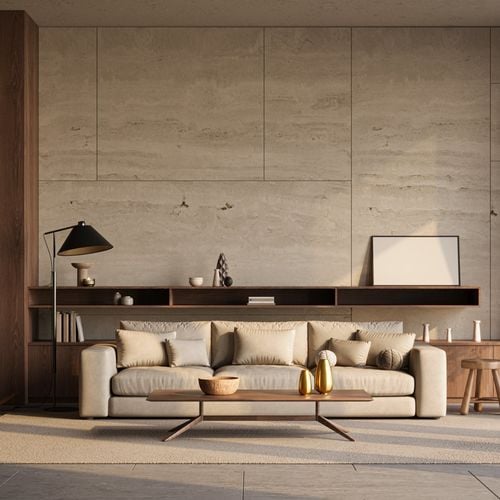



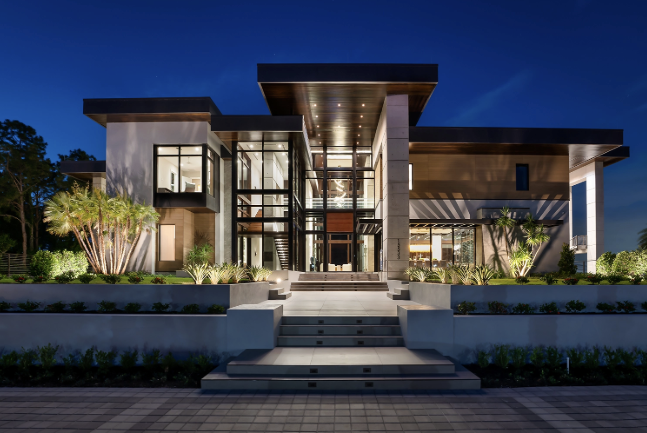
The Kaufmann House in Palm Springs still draws visitors decades after Richard Neutra designed it in 1946, proving that midcentury modern architecture possesses something most other styles lack — an ability to feel both timeless and refreshingly current. These homes emerged during the 1940s through 1960s when architects like Joseph Eichler and Pierre Koenig began crafting residences that broke every traditional rule about how indoor and outdoor spaces should relate to each other. The style's defining characteristics — those expansive floor-to-ceiling windows, flat rooflines that seem to float, and open floor plans that flow like water — create homes that breathe with their surroundings rather than standing apart from them. For luxury buyers considering a second home in Napa Valley, understanding these architectural elements becomes particularly valuable since the region's rolling hills and vineyard vistas deserve homes that complement rather than compete with the natural beauty. This article examines the specific features that make midcentury modern homes so compelling, from their emphasis on natural light and clean lines to their seamless integration of indoor and outdoor living spaces. You'll discover how these design principles translate into practical benefits for contemporary living, especially in settings where the landscape plays a starring role. The knowledge gained here will help you recognize authentic midcentury modern features and understand why this architectural style continues to command premium prices in luxury markets. What makes a midcentury modern home different from other architectural styles, and how do these differences create the perfect backdrop for wine country living?
Key Features of Midcentury Modern Homes
Walls disappeared between kitchens and living rooms when architects began designing homes that rejected the compartmentalized layouts of earlier decades. This architectural revolution removed barriers that had traditionally separated cooking, dining, and entertaining spaces, creating expansive areas where families could gather without feeling confined to specific rooms. The absence of interior walls allows natural light to travel deeper into the home, reaching spaces that would otherwise remain dim during daylight hours. "Open floor plans" became the foundation for how these homes function, with each area flowing naturally into the next without abrupt transitions or awkward doorways. Wine country estates particularly benefit from this approach since entertaining guests becomes effortless when the kitchen island serves as both preparation space and social hub while maintaining visual connection to outdoor terraces and vineyard views.
Horizontal rooflines stretch across these homes like protective canopies, creating the impression that the structure hovers just above the ground rather than sitting heavily upon it. "Large windows and sliding glass doors" dominate entire walls, erasing the psychological boundary between interior comfort and exterior beauty. These expansive glass surfaces flood rooms with daylight from sunrise to sunset, reducing the need for artificial lighting during most daylight hours. The flat roof design eliminates the visual weight that peaked rooflines create, allowing the home to nestle into its surroundings rather than competing with mountain ridges or rolling hills. Floor-to-ceiling glazing transforms living spaces into observation decks where residents can watch seasons change across Napa Valley's landscape without stepping outside.
Combining warm wood with cool steel creates the visual tension that makes these homes memorable decades after construction. Architects deliberately paired opposing textures and temperatures — smooth concrete floors against rough stone accent walls, polished chrome fixtures beside weathered cedar siding, or sleek glass panels framed by rugged fieldstone. "Natural materials such as wood, stone, and glass" appear throughout these homes in their authentic states, with minimal processing or artificial finishes that might mask their inherent character. The interplay between these contrasting elements prevents monotony while maintaining the clean aesthetic that defines the style. Selecting materials that age gracefully becomes particularly important in wine country, where homes must withstand both foggy mornings and intense afternoon sun while developing the patina that adds character over time.
The Role of Natural Light and Clean Lines
Sweeping, floor-to-ceiling windows transform interior spaces into luminous sanctuaries where shadows become rare visitors and artificial lighting takes a backseat to nature's daily performance. These expansive glass panels stretch from ground to ceiling, creating an uninterrupted visual connection that makes rooms feel twice their actual square footage while bathing every corner in daylight that shifts and changes throughout the day. The psychological impact proves immediate — spaces feel more welcoming, more alive, and somehow more honest when natural illumination replaces harsh overhead fixtures. Morning light streams across hardwood floors, afternoon sun warms reading nooks, and evening rays cast long shadows that dance across minimalist furnishings, creating a living gallery where light itself becomes the primary decoration.
The design philosophy behind these homes prioritizes substance over ornamentation, resulting in spaces that function beautifully without unnecessary embellishment:
- Built-in storage solutions replace bulky furniture pieces, maintaining visual clarity while serving practical needs
- Multi-purpose rooms adapt to different activities without requiring major furniture rearrangements
- Hardware and fixtures disappear into the architecture rather than demanding attention as decorative elements
- Furniture selection focuses on pieces that serve multiple functions while maintaining sleek profiles
Creating spacious, breathable interiors requires more than just removing walls — it demands careful attention to how air, light, and sight lines move through the home:
- Strategic placement of windows encourages cross-ventilation that keeps spaces fresh without mechanical systems
- Minimal window treatments preserve unobstructed views while maintaining privacy through clever positioning
- Interior color palettes stick to neutral tones that reflect rather than absorb available light
- Ceiling heights often exceed standard measurements, adding vertical space that enhances the sense of openness
Achieving this balance between form and function requires architects to consider how each design decision affects both daily living and long-term maintenance. Midcentury is all about sunlight and creating environments where residents feel connected to the changing seasons and weather patterns outside their windows. The absence of unnecessary decorative elements allows the architecture itself to provide visual interest through the interplay of light, shadow, and carefully chosen materials that age gracefully over time.
Integration with Napa Valley's Scenic Beauty
Architects discovered that the horizontal emphasis of midcentury modern design mirrors the undulating contours of Napa Valley's terrain, creating homes that seem to emerge organically from their vineyard settings rather than imposing themselves upon the land. The low-slung profiles and extended rooflines echo the gentle slopes of surrounding hills, while the emphasis on horizontal rather than vertical elements prevents these residences from disrupting the visual flow of the agricultural terrain. "Midcentury modern homes in Napa Valley are designed to frame the landscape, not compete with it," reflecting how these structures serve as viewing platforms for the ever-changing seasonal drama of grape cultivation. The architectural restraint inherent in this style allows the natural beauty of the region to remain the primary focus, with homes functioning as sophisticated backdrops rather than attention-seeking centerpieces.
The harmonious relationship between these homes and their vineyard surroundings develops through several deliberate design strategies:
- Local stone and weathered wood surfaces create visual continuity with the agricultural structures and natural rock formations found throughout wine country
- Expansive glass panels positioned to capture specific vineyard vistas transform interior spaces into private galleries showcasing the seasonal transformation of grapevines
- Native drought-resistant plantings surrounding the home reduce maintenance requirements while supporting the existing ecosystem of indigenous plants and wildlife
- Outdoor terraces and patios positioned at varying elevations take advantage of the sloping topography to create multiple vantage points for appreciating different aspects of the vineyard views
Regional architects began experimenting with hybrid approaches that honor Napa Valley's diverse architectural heritage while maintaining modernist principles. "The integration of Craftsman, Mission Revival, and modern elements creates a sense of place that is both timeless and regionally specific," demonstrating how contemporary design can respect historical context without sacrificing innovation. Exposed wooden beams reminiscent of Craftsman construction appear alongside sleek steel frames, while stucco walls borrowed from Mission Revival architecture provide textural contrast against expansive glass surfaces. These combinations create homes that feel rooted in their specific location rather than generic examples of modernist architecture that could exist anywhere.
Studying successful residential projects throughout the valley reveals how architects have adapted midcentury modern principles to accommodate the unique challenges and opportunities of wine country living. Homes positioned on elevated sites take advantage of natural topography to maximize vineyard views while minimizing their visual impact when viewed from below. "Large glass walls and open floor plans are not just aesthetic choices—they are functional strategies for connecting the home to the vineyard views," highlighting how design decisions serve both practical and aesthetic purposes. Properties that incorporate existing mature oak trees into their site plans demonstrate respect for the natural heritage of the land, while those that align their primary living spaces with prevailing breezes reduce reliance on mechanical cooling systems during warm summer months.
Modern Amenities in Classic Design
Contemporary homeowners have discovered ways to weave twenty-first century conveniences into the fabric of 1950s and 1960s architectural masterpieces without sacrificing the aesthetic purity that made these homes legendary. The challenge lies not in adding modern features, but in selecting upgrades that honor the original design philosophy while meeting current expectations for comfort, efficiency, and connectivity. This delicate dance between preservation and progress requires careful consideration of how each enhancement affects both the home's visual integrity and its daily functionality.
Photovoltaic panels now grace the flat rooftops of countless midcentury homes, transforming what were once purely decorative horizontal planes into energy-generating surfaces that reduce monthly utility costs while supporting environmental sustainability. Solar panel installations in mid-century modern homes have increased by 35% over the past five years, reflecting growing awareness that these clean energy systems complement rather than compromise the architectural style. The low profile of contemporary solar arrays aligns naturally with the horizontal emphasis of these homes, while their sleek surfaces echo the modernist preference for industrial materials and geometric forms. Installation teams have learned to position panels strategically, ensuring they remain invisible from primary viewing angles while maximizing exposure to California's abundant sunshine.
Home automation networks have found their ideal architectural partner in midcentury modern residences, where the emphasis on simplicity and functionality creates perfect conditions for seamless technology integration. Smart home system adoption in these homes has risen by 28% in the same period, driven by homeowners who appreciate how wireless controls eliminate the need for additional wall switches and complex control panels that might disrupt clean interior lines. Voice-activated lighting systems respond to commands without requiring visible hardware, while programmable thermostats maintain comfortable temperatures without bulky mechanical components. Security cameras and sensors disappear into the architecture, monitoring property perimeters through discrete placement that maintains the home's connection to its surroundings.
Swimming pools designed with variable-speed pumps and solar heating systems provide luxurious recreation while consuming significantly less energy than traditional pool equipment from previous decades. Modern pools with energy-efficient pumps and heating systems provide luxury without the guilt of high energy consumption, allowing homeowners to enjoy year-round swimming in Napa Valley's Mediterranean climate. Infinity edges create visual continuity with distant vineyard views, while automated cleaning systems reduce maintenance requirements that might otherwise interfere with the home's serene atmosphere. Pool decking materials now include recycled composite options that resist weathering while maintaining the warm, natural appearance that complements midcentury modern aesthetics.
Maintaining architectural authenticity while incorporating contemporary conveniences requires architects and contractors who understand that successful modernization enhances rather than masks the original design intent. Integrating modern amenities like solar technology and smart home systems into mid-century modern homes requires a delicate balance between innovation and preservation of the original design, ensuring that each upgrade supports the home's fundamental character rather than competing with it for attention. Heating and cooling systems hide within existing structural cavities, while modern appliances feature clean lines and neutral finishes that blend seamlessly with vintage cabinetry and built-in storage solutions.
Lifestyle Appeal and Market Positioning
Empty nesters who spent decades raising children in traditional suburban homes find themselves drawn to the sophisticated simplicity that these architectural gems offer during their next chapter of life. The absence of unnecessary rooms and complicated layouts appeals to couples who want to downsize without sacrificing style or entertaining capabilities. Meanwhile, young families with school-age children appreciate how the open floor plans allow parents to supervise homework and playtime while preparing meals or hosting friends. Tech entrepreneurs and creative professionals gravitate toward these homes because the clean aesthetic provides an inspiring backdrop for both work and relaxation without the visual clutter that can distract from productivity.
The diverse appeal of these residences stems from their ability to adapt to different life stages and personal preferences without requiring major renovations:
- Professional couples seeking weekend retreats value the low-maintenance exteriors and efficient layouts that maximize leisure time rather than demanding constant upkeep
- Multi-generational families benefit from the flexible spaces that can accommodate visiting grandparents or adult children returning home between career transitions
- Art collectors and wine enthusiasts find the neutral color palettes and unadorned walls provide perfect galleries for displaying collections without competing visual elements
- Remote workers and consultants appreciate the abundance of natural light and quiet spaces that support productivity while maintaining separation between work and personal areas
Napa Valley's luxury amenities become easily accessible from these strategically positioned homes, with many properties located within short drives of world-class wineries, Michelin-starred restaurants, and exclusive golf courses. The Auberge du Soleil spa, Meadowood Resort, and Calistoga Ranch offer resort-style experiences that complement the relaxed sophistication of midcentury modern living. Private wine tastings, cooking classes with renowned chefs, and helicopter tours over the valley create memorable experiences that guests will associate with their stays in these distinctive homes. Hot air balloon rides at sunrise, visits to artisanal olive oil producers, and shopping excursions to St. Helena's boutiques provide entertainment options that match the refined tastes of luxury home buyers.
"Market data shows that well-maintained" midcentury modern properties continue to appreciate at rates that exceed many other architectural styles, particularly in desirable locations like Napa Valley where scarcity drives demand. Investment potential increases when buyers select homes with original architectural details intact, as restoration costs for authentic period features often prove prohibitive for future purchasers. Properties featuring work by recognized architects command premium prices, while those with documented historical significance attract collectors willing to pay substantial premiums for provenance. Tax advantages associated with historic preservation programs can offset renovation expenses while maintaining the home's investment value for resale purposes.
Historical Context and Cultural Significance
Post-World War II America witnessed an architectural revolution that would forever change how families experienced their domestic spaces, as architects began rejecting the compartmentalized layouts and ornate decorations that had defined residential design for generations. The movement emerged during a period marked by rapid economic growth and technological innovation, when returning veterans and their growing families sought homes that reflected the optimism and progressive spirit of the era. Bauhaus principles merged with American pragmatism to create residences that prioritized function over formality, while new construction materials like steel, glass, and concrete allowed architects to experiment with previously impossible structural configurations. "Mid-century modern architecture is defined by its clean lines, open floor plans, and large glass windows" that fundamentally altered the relationship between private and public spaces within the home. Joseph Eichler built more than 10,000 mid-century modern homes in California between 1949 and 1966, demonstrating how mass production could democratize sophisticated design concepts that had previously remained exclusive to wealthy clients.
The architectural philosophy that seemed revolutionary in the 1950s has experienced multiple waves of rediscovery, with each generation finding new relevance in the style's core principles of simplicity and connection to nature. During the 1980s, preservation societies began recognizing that many of these homes faced demolition threats from developers who viewed the modest structures as obstacles to larger, more profitable projects. The dot-com boom of the late 1990s brought renewed attention to midcentury modern homes, particularly in California's Silicon Valley, where tech entrepreneurs appreciated the style's emphasis on innovation and forward-thinking design. "The style was a direct response to the optimism and innovation of the post-war era, reflecting a desire for simplicity and a connection to nature," which resonates strongly with contemporary homeowners seeking respite from increasingly complex digital lives. Celebrity endorsements and high-profile real estate transactions have elevated the style's status from nostalgic curiosity to serious investment opportunity, with well-preserved examples commanding premium prices in competitive markets.
Maintaining authenticity while accommodating modern living standards requires careful balance between historical accuracy and practical necessity, as preservation efforts focus on protecting the architectural elements that define the style's character. Design historian Alan Hess notes that "Mid-century modern homes were a reflection of the cultural and social changes of the time, offering a fresh start and a new way of living for the American middle class," emphasizing how these structures embody specific social values that remain relevant today. Contemporary architects working on restoration projects must navigate building codes that have evolved significantly since the original construction period, often requiring creative solutions that honor the original design intent while meeting current safety and accessibility standards. "Eichler's homes were revolutionary because they brought modernist design to the masses, not just the wealthy," highlighting how the democratic ideals embedded in these homes continue to influence contemporary affordable housing initiatives. Protecting original materials becomes particularly challenging in regions like Napa Valley, where seismic requirements and fire safety regulations demand structural modifications that can compromise the visual integrity of post-and-beam construction systems and floor-to-ceiling glazing that define the style's most recognizable features.
Final Thoughts
The architectural movement that emerged in the 1950s and 1960s continues to speak to those who value both form and function. We've examined the defining characteristics that make midcentury modern homes so compelling — the expansive open floor plans that dissolve barriers between living spaces, the dramatic flat roofs that create bold horizontal lines, and those magnificent floor-to-ceiling windows that frame the world beyond like living artwork.
These elements work together to create something that feels both timeless and remarkably current. The seamless connection between indoor and outdoor spaces transforms a home into a sanctuary where natural light becomes the primary decorator and clean lines provide a sense of calm that many of us remember from simpler times.
For luxury buyers considering a second home in Napa Valley, this understanding proves invaluable. The style's emphasis on simplicity and its celebration of natural surroundings complement the region's vineyard vistas and rolling hills perfectly. A midcentury modern home doesn't compete with the landscape — it invites it inside.
The blend of elegance and practicality that defines this architectural approach offers something rare in our complex world. These homes remind us that sophistication doesn't require ornamentation, and that the most powerful design statements often come from restraint rather than excess.
Consider exploring the midcentury modern properties available throughout Napa Valley. You might discover that this architectural style from decades past provides exactly the kind of retreat you've been seeking for your future.
Check out this article next